
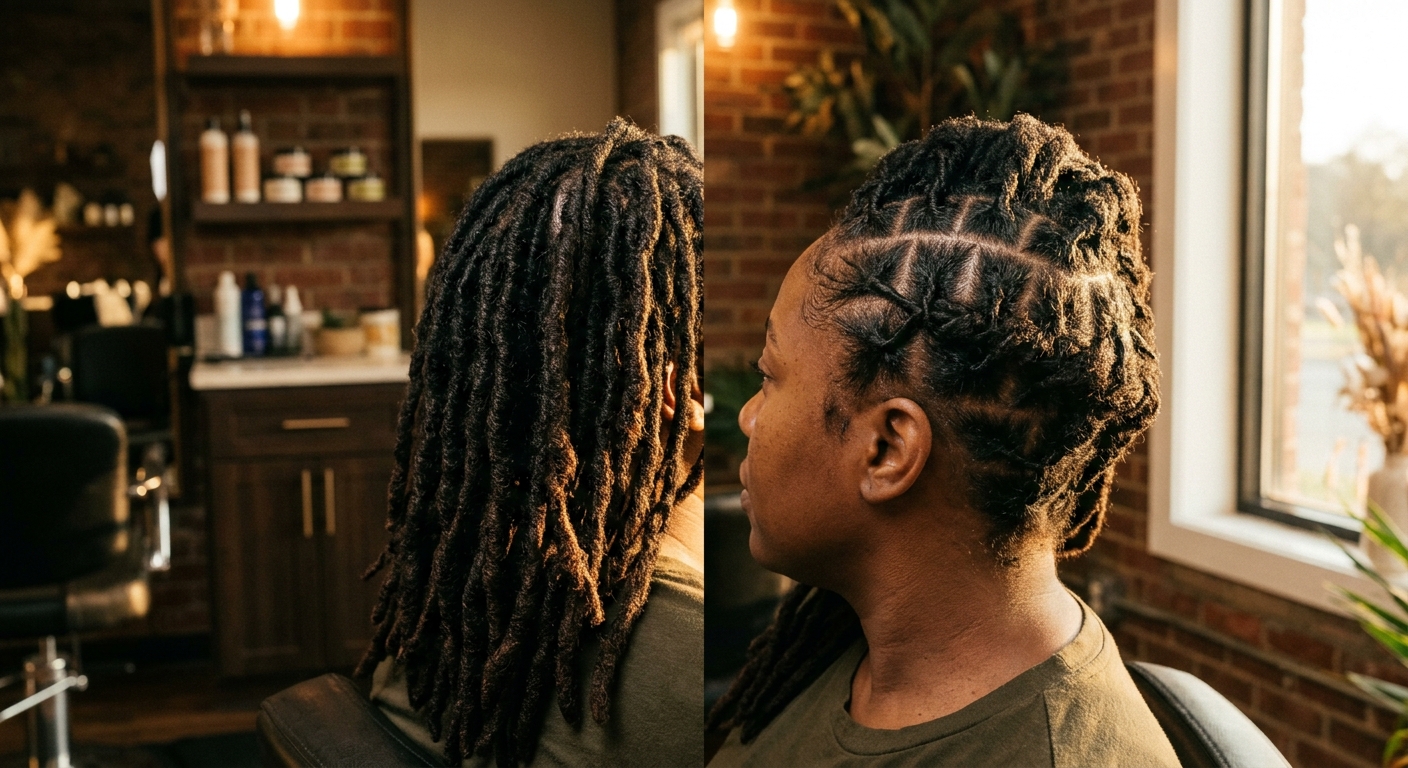
Choosing the right protective styles starts with gentle, tension-free installation. Tight braids that pull your temples do more damage than skipping a salon visit altogether. Heavy tension tears delicate follicles right out of your scalp (and no amount of edge control can disguise that loss over time). Tension is never protective. True protective styling relies on balanced weight distribution, gentle installation, and deliberate moisture sealing. Your natural hair thrives when you give it space to breathe under clean parting and soft tension. Clients from McDonough to Riverdale can learn how knotless braids, loc retwists, and men’s cornrows protect natural hair and help it hold moisture.
Understanding Protective Styling in Jonesboro GA: Climate, Water, and Hair Health
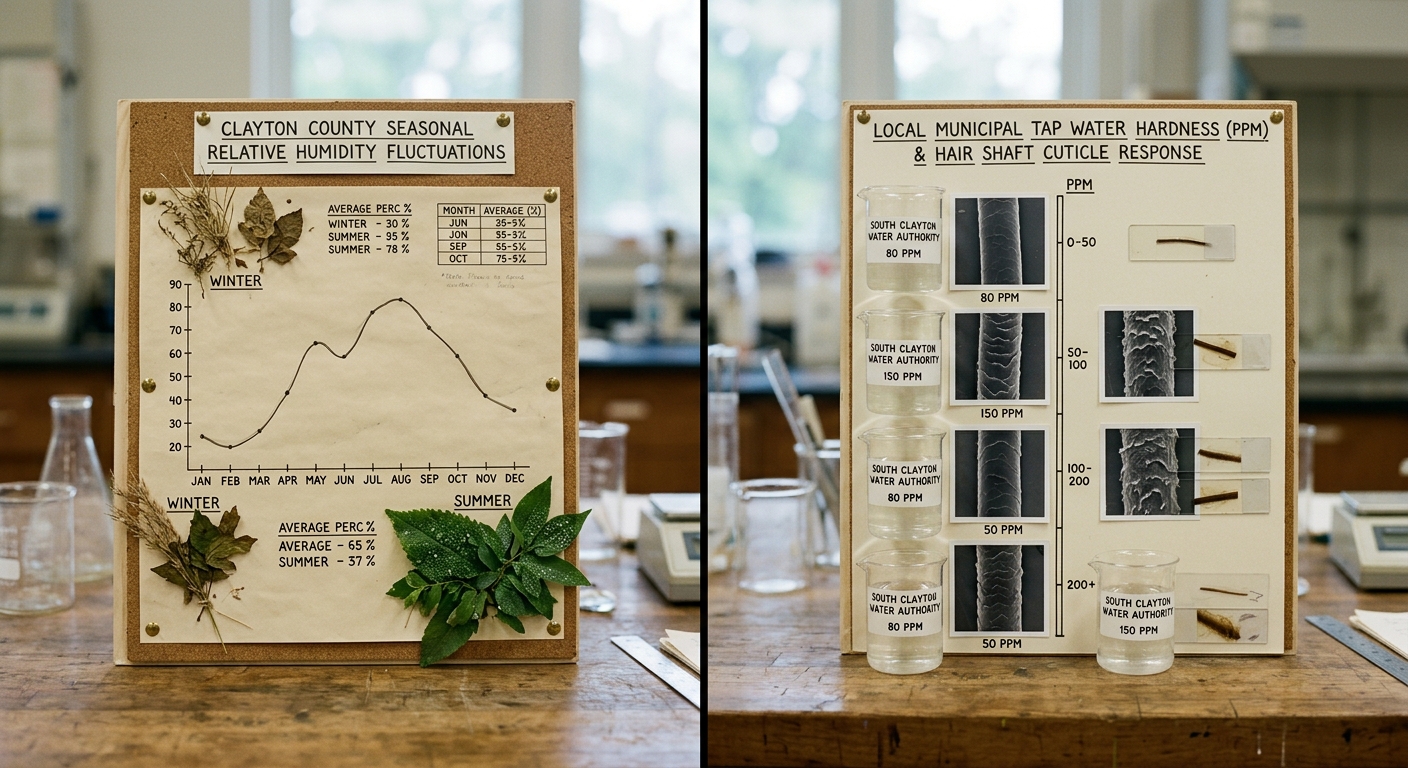
Clayton County water runs through municipal systems that deposit calcium and magnesium ions onto the hair shaft. These dissolved minerals cling tightly to porous natural textures during pre-installation wash days. Brittle strands snap easily under tension. When you trap hard water residue beneath extension hair, the hair fiber stiffens and completely blocks external moisture.
The Impact of Clayton County Tap Water Minerals on Natural Hair
What happens when mineral-coated strands sit braided away for eight weeks? The chalky mineral film creates a physical barrier that prevents leave-in conditioners from penetrating the hair cortex. If your hair feels coated or stiff after washing, a clarifying step before braiding can help. A chelating shampoo (specifically one containing tetrasodium EDTA) strips the residue so your natural coils remain pliable under extensions.
Managing South Metro Atlanta Humidity Shifts and Scalp Ecology
South Metro Atlanta weather swings from muggy summers to dry, heated indoor air in winter. Hair fibers absorb this ambient air vapor almost immediately. The strand swells. This physical expansion pushes flyaway hairs past the braid boundary and loosens the neatness of fresh parts.
And the moisture trapped against the skin creates an unintended incubator. Humidity and natural scalp oils can lead to itching and flaking under long-term braids or locs. If itching or flaking is severe, see a dermatologist. Protect your scalp barrier with three practices:
- Clarify thoroughly with chelating agents prior to styling.
- Apply antimicrobial herbal drops (such as diluted tea tree or rosemary) directly along parted lines.
- Dry root sections completely after sweating to discourage yeast growth.
Assessing Porosity for Accurate Moisture Retention
Porosity dictates how your hair absorbs and holds hydration beneath synthetic extensions. High-porosity strands take in moisture instantly during humid Jonesboro summers, but they lose that hydration just as fast in heated indoor spaces. Low-porosity strands feature tightly closed cuticles that resist hydration completely unless softened with mild steam before installation. Test your porosity before braiding by observing how quickly water droplets absorb into a clean, product-free strand. Knowing this response tells you whether your base hair requires a water-based leave-in or a lightweight plant oil seal before extension hair covers the cuticle.
High-Performance Protective Styles: From Knotless Braids to Loc Retwists
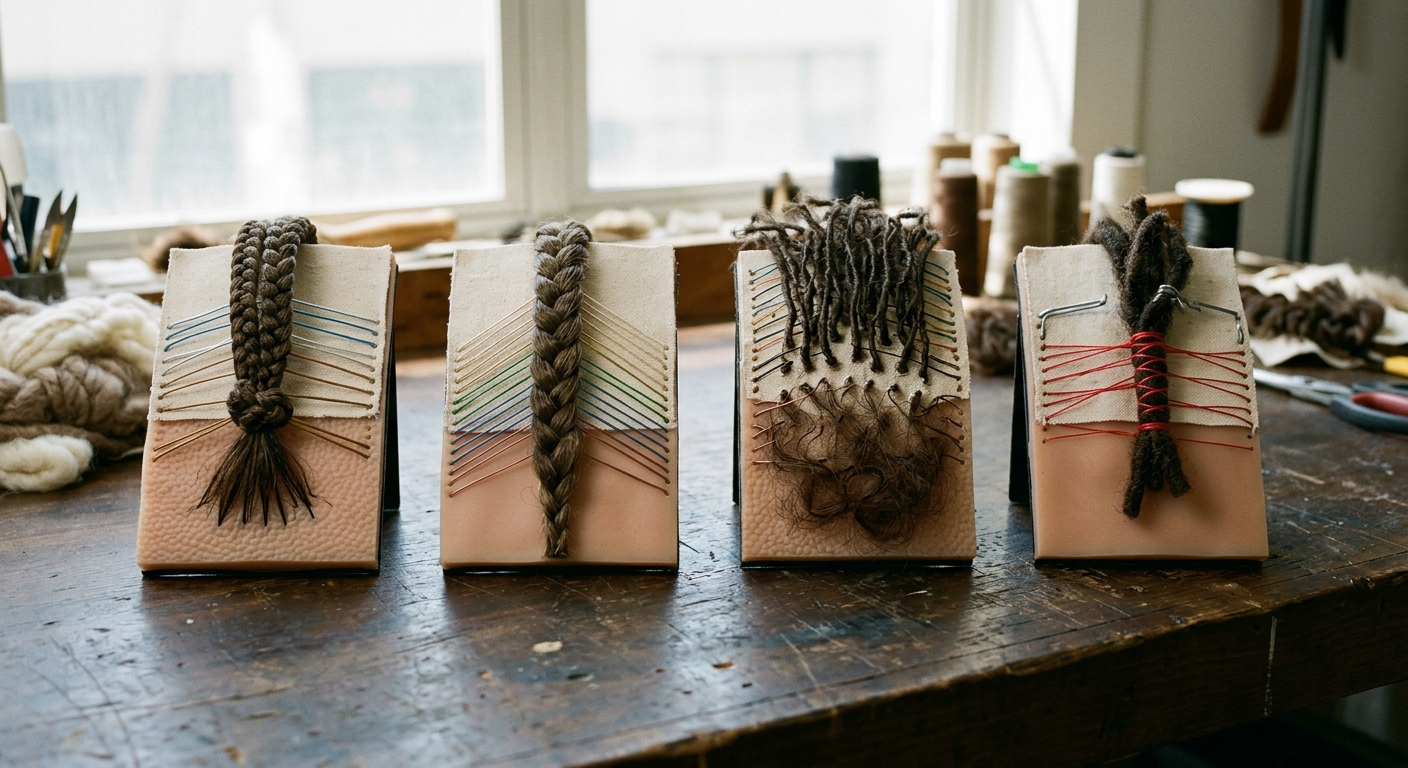
Installation technique directly controls how weight rests on your scalp. Weight matters. Heavy extensions anchored with hard knots strain delicate follicles from the moment you leave the chair. Modern knotless braids bypass that immediate pulling force by feeding synthetic fibers into natural hair strand by strand.
Knotless Braids for Weightless Tension-Free Length
Traditional box braids clamp an entire pack of synthetic hair at the root. That creates an anchor knot (a tight pressure point) that pulls perimeter edges for days. How does a feed-in method change the outcome? Because the stylist integrates extension hair gradually down the shaft, the base stays flexible against your skin. You can flip your parts immediately without waiting for the style to loosen. When properly maintained with a nightly silk wrap, booking knotless braid services preserves your natural length for six to eight weeks.
Loc Maintenance Protocols and Root Integrity
Loc care requires an equally patient approach to mechanical stress. Palm rolling with a lightweight gel keeps new growth neat between retwists. Avoid heavy waxes that attract lint and calcify inside the loc shaft. When you schedule loc retwist bookings, keep appointments spaced four to six weeks apart so the loc base never thins from over-manipulation.
Men’s Cornrow Maintenance and Hairline Preservation
Cornrows paired with tapered fades demand caution along the hairline. A few simple habits help preserve the perimeter:
- Keep fine temple strands out of tight braid tracks to prevent localized thinning.
- Avoid shaving or edging into the parted bases of your braids.
- Moisturize exposed scalp parts twice weekly with light jojoba oil.
- Tie braids down with a breathable durag before sleeping or wearing athletic headgear.
A crisp edge-up should never sacrifice the integrity of your natural hairline.
Preventing Traction Alopecia and Scalp Erythema During Installation
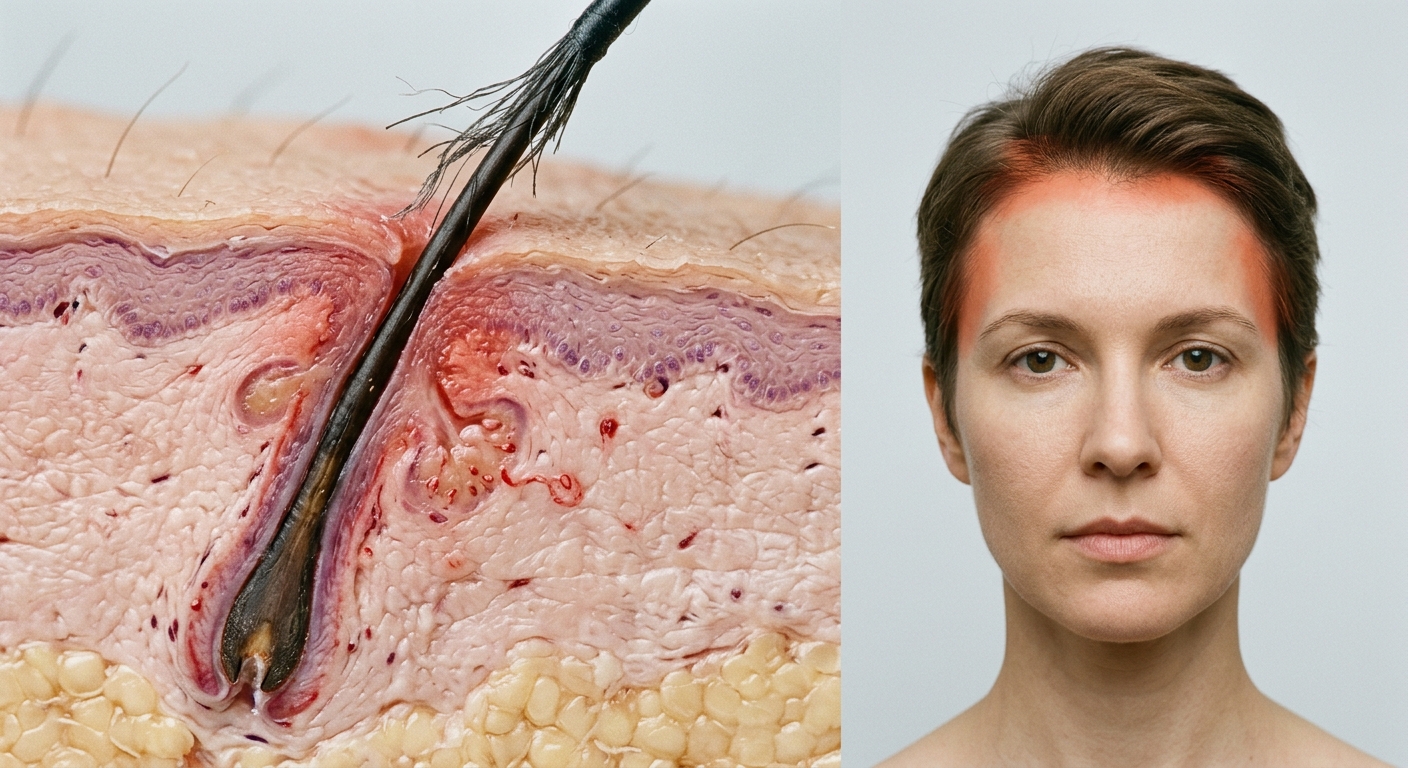
Pain never signals quality. If your scalp displays tight bumps, persistent tenderness, or white blanching along the perimeter within hours of your appointment, your follicles are suffocating under excessive mechanical force. If that irritation keeps happening, it can damage the hair roots over time. Can you raise your eyebrows comfortably without a stinging pull at your temples? If the answer is no, ask the braider to release the perimeter immediately. Leaving hyper-taut sections intact invites traction alopecia, which turns temporary hair shedding into permanent follicular scarring.
Ergonomic Parting and Density Calibration
Safe protective styling depends on load balance. A careful stylist matches the amount of added hair to the size and strength of each section. Overloading a fragile section with thick packs snaps individual strands right at the root. But mechanical pulling is only half the battle during installation.
Neutralizing Alkaline Coatings on Synthetic Hair
That burning itch often blamed on dry skin usually stems from manufacturing chemicals. Some people find that synthetic braiding hair irritates their scalp. A severe rash or itching should be checked by a doctor. You can eliminate this issue before installation with scalp detox treatments and an apple cider vinegar pre-soak:
- Some people rinse synthetic braiding hair before installation to remove factory residue.
- Rinse the hair thoroughly with cool water once a white film lifts to the surface, then hang it to air-dry completely.
Washing Protective Styles Without Frizz: The South Metro Maintenance Protocol
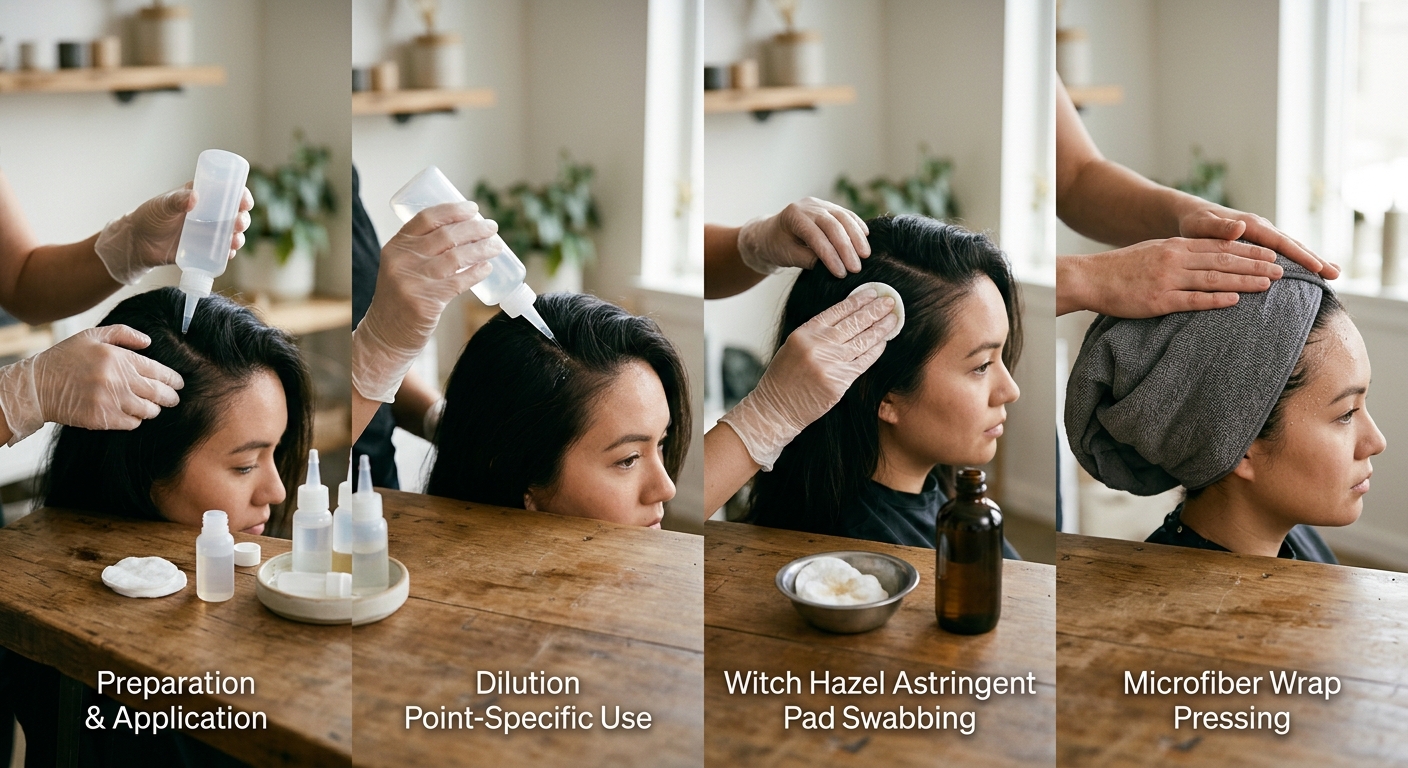
Washing braided hair does not have to cause an immediate halo of flyaways. Friction creates fuzz. Because vigorous shower rubbing ruins neat parts, many people skip washing completely, but that hesitation invites trapped sweat to cake along the scalp.
Dissolving Edge Control Buildup
Firm-hold styling waxes often accumulate around the temples after several days of daily touch-ups. To break down this hardened film without roughing up adjacent braids, mix one part sulfate-free clarifying shampoo with three parts warm water inside a pointed root-applicator bottle. Squeeze the nozzle directly onto the perimeter parts while holding the braided lengths back with a claw clip. Gently massage the hairline using only the pads of your fingertips. The fluid cuts through stubborn polymers without disturbing the braided structure underneath.
Targeted Rinsing and Aeration
Work the remaining diluted wash down each exposed track, let it sit for two minutes, and rinse under a steady, low-pressure shower stream directed strictly at the crown.
After rinsing, dry the hair immediately to avoid persistent dampness:
- Press a microfiber towel firmly against the base of your scalp to absorb standing moisture without rubbing.
- Mist parted roots with a light botanical spray (such as witch hazel or diluted rosewater) rather than thick shea butter or petroleum pomades.
- Sit under a hooded dryer on medium heat until your roots are completely dry to allow natural follicular airflow.
The Jonesboro Guide to Longevity: Nighttime Care and Salon Refresh Cycles
Cotton absorbs natural lipids from hair fibers within hours. Securing parts every night preserves clean styling lines and shields baby hairs against friction.
Nighttime Friction Defense: Satin Wraps vs. Silk Pillowcases
A proper bedtime routine keeps your style neat during muggy Clayton County evenings. Tie a wide-band satin scarf firmly around your hairline, and place the remaining braid length inside a silk bonnet (or rest your head on a mulberry silk pillowcase). The scarf anchors delicate edges against nocturnal friction, while the pillowcase provides backup protection if the bonnet slips.
Knowing When to Take Down: Maximum Wear Windows
Commuters traveling along I-75 from McDonough or Riverdale encounter drastic temperature shifts between dry vehicle air conditioning and humid outdoor air. Sweat settles around parts during traffic delays. Dab witch hazel along exposed scalp lines using a cotton pad twice each week to dissolve dried perspiration without soaking the style.
Do not keep braided styles past the eight-week boundary. New growth bends under extension weight, while naturally shed hair stays trapped inside the base. If you leave braids in longer, these trapped hairs form dense, painful knots.
Recommended Maximum Wear Windows
- Knotless Braids: 6 to 8 weeks maximum. Leaving extensions longer causes new growth to mat and twist around the base.
- Loc Retwists: 4 to 6 weeks between maintenance appointments. Waiting longer invites unraveled roots, while twisting too frequently thins the loc core.
- Men’s and Women’s Cornrows: 2 to 4 weeks. Direct scalp exposure and sweat accumulation require shorter cycles and thorough cleansing.
Frequently Asked Questions About South Metro Protective Styling
Which protective style holds up best in South Metro Atlanta humidity?
Medium knotless braids and neat cornrows perform best during humid Georgia summers. Because knotless installations distribute synthetic hair evenly along your natural strands, the style resists the sudden puffiness that plagues traditional knotted roots. Using a lightweight anti-humidity mousse along parted lines seals the hair cuticle against outdoor moisture without leaving heavy residue.
Can clients in Henry County and Clayton County book regular loc and braid maintenance?
Yes. SlayyByChe welcomes clients from Jonesboro, Morrow, Riverdale, and McDonough. Geographic proximity along Tara Boulevard makes regular appointments simple for scheduled wash days, loc retwists, and braid take-downs.
How does Clayton County tap water affect long-term braided styles?
Municipal tap water in South Metro Atlanta contains dissolved calcium and magnesium. These minerals bind to hair cuticles during pre-service washes. If you do not clarify with a chelating cleanser before braiding, those minerals trap dryness beneath the extension fiber, leading to brittle breakage when you finally take the braids down.
Maintaining Healthy Roots in Clayton and Henry Counties
Clayton County humidity tests every single braid, while treated tap water across Henry County carries dissolved minerals that settle into your hair shaft. If you rinse your parts without filtering that water, chronic dryness follows quickly. How do you keep your natural hair thriving through those humid summer afternoons? You pair filtered hydration with tension-free installations. Tight braids do not last longer. They simply inflame the hair follicle and strip away delicate edges along your hairline over time.
Pain is never a requirement for neatness. Redness and soreness are clear warnings from your body, not signs of quality work.
Natural hair thrives when your scalp stays calm and clean. That balance between clean aesthetic choices and root care makes all the difference for your daily routine. (A simple satin wrap at night also prevents indoor air conditioning from drying out your strands.) Whether you prefer mid-back knotless braids, clean cornrows, or a loc retwist, your scalp deserves skilled attention. Book your protective style at Slayy By Che in Jonesboro at slayybyche.com/book-appointment for gentle hands and proper scalp care.